

Check the Region Before the Name
The label on an Italian wine tells you more than the brand name does — it tells you where the grapes were grown, and that matters more than most shoppers realize. Alto Adige, in the far north near the Austrian border, is known for crisp whites like Pinot Grigio, thanks to cooler mountain air and long growing seasons. Treviso and the Veneto region, further south, are Prosecco country.
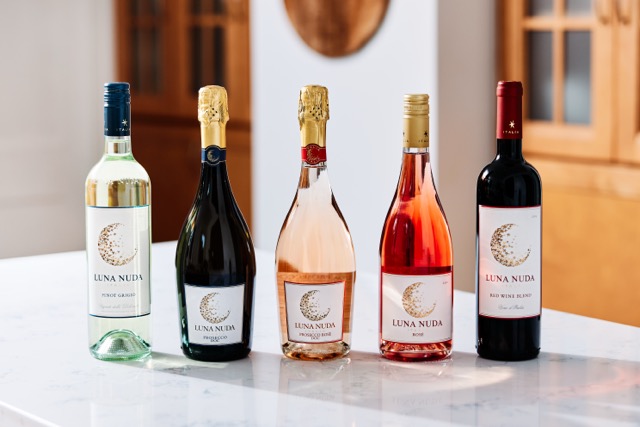
Luna Nuda's wines, for example, come from Alto Adige (Castelfeder Winery) and Treviso (Cantina Montelliana) — real regions with real growing conditions behind the label, not just a name invented for a shelf.
Look Past the Bottle Design
A heavy bottle, embossed lettering, and a moody label don't tell you anything about what's inside. Some of the most overpriced bottles in the store lean hardest on packaging, because the packaging is doing the selling instead of the wine. That's not a dealbreaker on its own, but it's worth noticing: if a bottle costs $22 and its only distinguishing feature is how it looks on your counter, you're paying for design, not necessarily for what's in the glass.
Taste-for-Price Is the Real Test
The single best filter for Italian wine brands: does it taste like it costs more than it does? That's the whole game. A $28 Pinot Grigio that tastes fine is not a win. A $14 Pinot Grigio that tastes like a $28 bottle is. Luna Nuda was built around exactly that gap — Alto Adige and Treviso-grown wine, priced like an easy weeknight bottle, made to taste like it isn't.
Don't Skip the Closure
It sounds like a small detail, but it says something. A screw cap (Stelvin closure) isn't a sign of a cheap wine — it's increasingly a sign of a winery that cares about consistency, since it eliminates the risk of cork taint entirely. Luna Nuda's Pinot Grigio, Rosé, and Red Blend all use Stelvin closures for exactly that reason: predictable quality, bottle after bottle.
What This Actually Means at the Shelf
Next time you're standing in that aisle, skip the label design and check three things: where the grapes are actually from, whether the price matches what you're tasting (not what you're assuming), and whether the winery seems to be telling you something real about the wine or just dressing up the bottle. That's a faster, more useful filter than trying to memorize every region and producer in Italy.
Try It Yourself
The easiest way to know if a bottle earns its price is to taste it next to something you already trust. Grab a bottle of Luna Nuda Pinot Grigio or Prosecco and pour it side by side with a familiar name — see if you can tell which one cost more. Find Luna Nuda near you or shop online.
You Might Also Like
Responsible drinking note: enjoy Luna Nuda wines responsibly and in moderation.