

Start With Sweet-to-Dry, Not Region
Most "how to learn wine" advice starts with geography — this region, that appellation — which is backwards for a beginner. Start with sweetness instead, because it's the thing your palate actually notices first. Prosecco and Rosé tend to read fruitier and a touch softer. Pinot Grigio is crisp and dry, more citrus than fruit-forward. Red Blend brings more body and richness. Try one from each category before you try to learn producers or regions — you'll figure out your lane faster.
Ignore the Tasting Notes Until You Don't Need To
"Notes of golden delicious apple with alpine minerality" is not a beginner tool — it's a shorthand that only means something once you already have a reference point. Skip it at first. Instead, ask yourself two questions when you taste something: is this crisp or soft, and is this light or heavy? That's the entire vocabulary you need to start. The fancier language comes later, if you want it — not as a prerequisite.
Bubbles Are Not a Special-Occasion-Only Thing
A lot of beginners assume Prosecco is for toasts and celebrations only, which means they never actually get familiar with it as an everyday wine. It's worth breaking that association early: a glass of Prosecco with Tuesday-night takeout is a completely normal, non-fancy thing to do. Treating sparkling wine as a rare-occasion category just means you learn it more slowly.
Price Doesn't Equal Quality (and Beginners Overpay to Compensate)
New wine drinkers often reach for a higher price point because they don't trust their own palate yet — the logic being "if I don't know what's good, at least I'll pay for good." That's an expensive habit, and it's not necessary. A well-made Pinot Grigio or Prosecco in the $12–16 range can absolutely outtaste a $25 bottle that's coasting on its label. Trust your own reaction over the price tag.
A Simple Way to Start Tasting on Purpose
Next time you open a bottle, give yourself thirty seconds before the first sip: look at the color, give it a light swirl, take a small sniff. Then taste it and just notice — sweet or dry, light or heavy, something you'd want a second glass of or not. Write down one word. Do that four or five times across different wines and you'll have a real, personal sense of what you like faster than any class would teach you.
Where to Actually Start
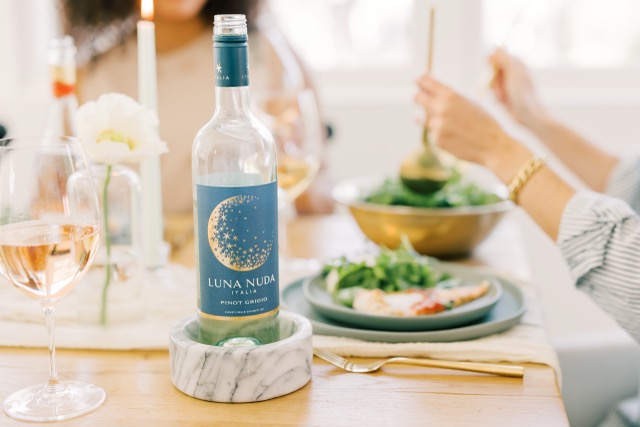
If you want a low-pressure way to try the range, Luna Nuda's five wines — Pinot Grigio, Rosé, Prosecco, Rosé Prosecco, and Red Blend — cover the main styles above without asking you to spend more than a weeknight-dinner budget to explore. See the full lineup and start with whichever one matches how you already like to drink, not how you think you're supposed to.
You Might Also Like
Responsible drinking note: enjoy Luna Nuda wines responsibly and in moderation.