
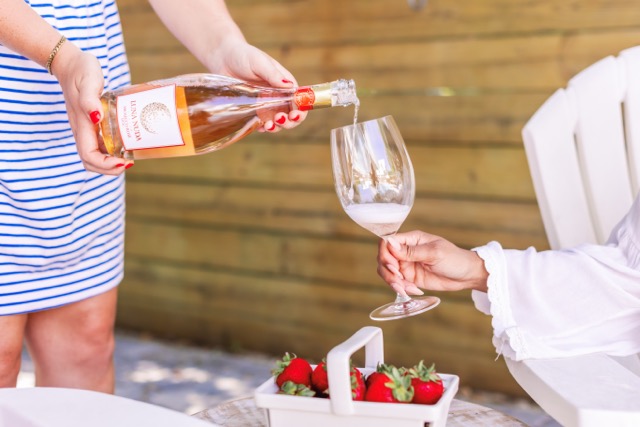

What Makes Rosato Such a Good Food Wine
Rosato gets its color and character from brief contact with red grape skins — just long enough to pick up a pink hue and some fruit and structure, then pressed off before it develops into a full red. That in-between process is exactly why it pairs so well with so much: it carries some of a white wine's crisp acidity and chill-ability, along with a touch of a red wine's fruit and body. Wine writers often call rosé and rosato a "bridge wine" for exactly this reason — it moves comfortably between courses that might otherwise call for a white in one hand and a red in the other.
Salads, Cheese, and Lighter Starters
This is rosato's easiest lane. A dry rosato is a natural match for salads built around tangy cheeses like goat cheese, and it holds its own against a charcuterie board — cured meats, olives, and briny snacks all play well against its acidity and light fruit. If you're opening a bottle before the main course even arrives, this is where to start.
Seafood and Shellfish
Rosato and seafood is close to a foolproof pairing. Grilled or roasted white fish, shrimp, and other lightly prepared seafood all benefit from the same acidity that makes rosato refreshing on its own — rosato works especially well with lighter, roasted or grilled fish dishes, and raw or lightly cooked shellfish is another reliable match.
Pasta and Rice
Lighter pasta and rice dishes are rosato's next natural stop. Think a simple pasta with olive oil and vegetables, or a risotto built around herbs rather than heavy cream or red sauce — rosemary risotto is a classic match for exactly this reason. The wine's acidity keeps the dish from feeling heavy, while its fruit gives it something to play against.
Grilled Meats and Richer Fare
Don't assume rosato tops out at salads and seafood. Fuller-bodied Italian rosato — the kind with real structure, not just a pale, thin pour — can comfortably handle grilled meats and Mediterranean vegetables, and some richer styles even stand up to fish stews or dishes with real depth to them. Luna Nuda's own Rosé, made from 100% Montepulciano grapes grown in Abruzzo, is built with exactly this kind of structure: bright acidity and strawberry fruit, but enough backbone to sit next to something more substantial than a side salad.
Sparkling Rosato: A Different Pairing Lane
Not all rosato is still. Sparkling versions — like Luna Nuda's Prosecco Rosé — open up a different set of pairings entirely. The bubbles and acidity make sparkling rosato a great match for fried foods and salty snacks, and it holds its own next to charcuterie and terrines the same way a still rosato does, with the added lift of fine, steady perlage. It's the better choice if the occasion calls for something more celebratory, or if fried appetizers are anywhere on the table.
Pairing With Luna Nuda Rosé and Prosecco Rosé Specifically
Luna Nuda actually gives you two different rosato styles to work with, and they're suited to different tables. The still Rosé — strawberry, floral notes, a subtle citrus finish — is the one to pour with a meal: salads, grilled chicken, lighter pasta, a cheese board before dinner. The Prosecco Rosé — floral aromas with hints of red fruit and fine, consistent bubbles — is the one for the moment itself: an aperitivo before guests sit down, a toast, or anything fried and salty you're serving alongside it.
Quick Answers
Is rosato the same as rosé?
Yes — rosato is simply the Italian word for rosé. Same style of wine, same production method, just named for where it's made.
Should rosato be served chilled?
Yes, the same as a crisp white — around 45 to 50°F. It's built for warm weather, but it's genuinely good year-round.
Does rosato pair with spicy food?
Often, yes. Rosato's fruit and moderate chill can help cool down mild-to-medium heat in a dish, similar to how off-dry whites are used with spicier cuisine — though very spicy food will still overpower most wines, rosato included.
Can rosato replace a red wine at dinner?
For lighter meals, often yes — a fuller-bodied rosato like Luna Nuda's can stand in for a light red next to grilled meats or a hearty salad. For something like a braised short rib, you'll still want an actual red.
What's the difference between still rosato and sparkling rosato for pairing purposes?
Still rosato tends to work better across a full meal — salads, seafood, pasta — while sparkling rosato shines with fried foods, salty snacks, and celebratory moments, thanks to its bubbles cutting through fat and salt.
Is rosato only a warm-weather wine?
Not really — that's more habit than necessity. A good rosato's acidity and food-friendliness make it a reasonable pour any time of year, not just poolside in July.
You Might Also Like
- The Luna Nuda Guide to Pairing Italian Wine With Food
- Easy Italian Appetizers to Pair with Prosecco
- Rosé Prosecco Aperol Spritz: The Pink Twist on a Classic
Responsible drinking note: enjoy Luna Nuda wines responsibly and in moderation.